Daftar Isi Show
| Characteristics | Details |
|---|---|
| Genus | Ludwigia |
| Species | Ludwigia sedoides |
| Family | Onagraceae |
| Origin | South America (primarily tropical regions of Brazil and Venezuela) |
| Common Name | Mosaic plant, Floating Ludwigia |
| Light Requirement | High (±100–180 µmol m⁻² s⁻¹ / PAR) |
| Optimal Temperature | 22–30°C |
| Growth Rate | Moderate |
| Placement | Water surface (floating) |
| Plant Height | ±3–10 cm (rosette), diameter can exceed 15 cm |
| Ideal pH | 5.5–7.5 |
| Water Hardness | GH 2–8 dGH; KH 0–4 dKH |
| CO₂ Requirement | Adaptive |
| Propagation | Offshoot separation / rosette division |
Additional Information
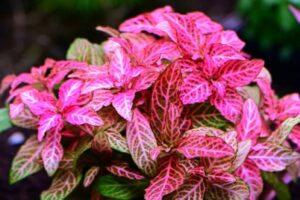
Ludwigia sedoides is a unique aquatic plant characterized by a floating rosette structure that forms a symmetrical mosaic-like pattern. Its leaves are arranged radially, displaying coloration from green to reddish tones depending on light intensity and nutrient conditions.
Unlike most species within the Ludwigia genus, which are stem plants that grow submerged, this species is a true floating plant. It does not anchor into the substrate but instead floats on the water surface with a system of hanging roots.
Its natural habitat consists of calm waters such as swamps, shallow lakes, and tropical floodplains with high light intensity and relatively stable water conditions.
In aquascaping, this plant is commonly used as a surface accent element. Visually, it creates a strong focal point and contrast against submerged plants below. However, its use must be controlled, as it can block light penetration to lower layers.
Requirements and Care
Growth Characteristics
The growth pattern is a floating rosette. The plant expands horizontally by increasing the diameter of the rosette and producing offshoots around it.
Its response to light is highly significant. Under high intensity, the rosette becomes more compact, symmetrical, and may display reddish coloration. Under low light, the structure becomes more open and coloration fades.
Carbon is not a limiting factor, as the plant absorbs CO₂ directly from the atmosphere.
Light
Category: high, with a requirement of approximately ±100–180 µmol m⁻² s⁻¹ (PAR) at the water surface.
At high intensity:
Rosette pattern becomes denser and more symmetrical
Leaf coloration shows stronger contrast (dark green to reddish-brown)
Growth is more stable
At low intensity:
Leaves tend to spread irregularly and lose symmetry
Color becomes pale
Structure becomes fragile
Due to its position at the surface, this plant naturally receives higher PAR compared to submerged plants.
CO₂ and Carbon
Classified as adaptive and does not require CO₂ injection.
As a floating plant, Ludwigia sedoides utilizes atmospheric CO₂ directly, allowing stable performance even in low-tech systems.
In high-tech systems, increased CO₂ levels in the water column do not significantly affect this plant, although they remain beneficial for other plants in the system.
Nutrients
Nutrients are absorbed directly from the water column through its hanging roots.
Availability of macronutrients (nitrate, phosphate, potassium) strongly influences growth rate and leaf coloration. Nutrient deficiencies may result in smaller leaves, pale coloration, and stagnated growth.
Micronutrients are still required to maintain metabolic stability and pigmentation.
Nutrient balance is more important than high concentration.
Water Parameters
Stable parameters are the primary factor:
pH: 5.5–7.5
Temperature: 22–30°C
GH: 2–8 dGH
KH: 0–4 dKH
This plant is tolerant of parameter variation as long as changes are not abrupt. Soft to moderately hard water generally provides the best performance.
Substrate
No substrate is required, as this is a floating plant.
However, the presence of substrate in the system can indirectly influence nutrient stability in the water column, which in turn affects plant growth.
Propagation
Propagation occurs vegetatively through the formation of daughter rosettes.
In aquascaping practice:
Offshoots can be separated once they are sufficiently developed
Separation should be done carefully to avoid tissue damage
This method is relatively simple and stable without the need for special intervention.
Conclusion
Ludwigia sedoides is a floating aquascape plant with a highly distinctive visual character, defined by its mosaic-like rosette pattern on the water surface. Technically, it is not complex in terms of CO₂ requirements but demands high lighting and stable nutrient conditions in the water column.
This plant is better suited as an accent element rather than a primary plant due to its potential to block light. In low-tech systems, it can still grow well provided nutrients are sufficient, while in high-tech systems it serves as an aesthetic complement without significant additional requirements.
Its primary value lies in its visual uniqueness and structural contrast, making it a strategic choice for aquascapers aiming to create a dynamic and distinctive surface layer that differs from conventional submerged plant compositions.