Daftar Isi Show
| Characteristics | Details |
|---|---|
| Genus | Hygrophila |
| Species | Hygrophila corymbosa ‘Compact’ |
| Family | Acanthaceae |
| Origin | Southeast Asia (cultivated variety) |
| Common Name | Hygrophila ‘Compact’ |
| Lighting Requirements | Medium to high (±70–120 µmol m⁻² s⁻¹ PAR) |
| Optimal Temperature | 22–28°C |
| Growth Rate | Slow to moderate |
| Placement | Foreground (large aquariums), midground (small aquariums) |
| Plant Height | 10–15 cm |
| Ideal pH | 6.0–7.5 |
| Water Hardness | GH 3–10 dGH; KH 1–6 dKH |
| CO₂ Requirement | Adaptive (low to medium CO₂) |
| Propagation | Stem cuttings (top cuttings and lateral shoots) |
Additional Information
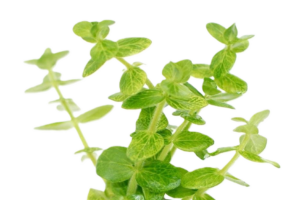
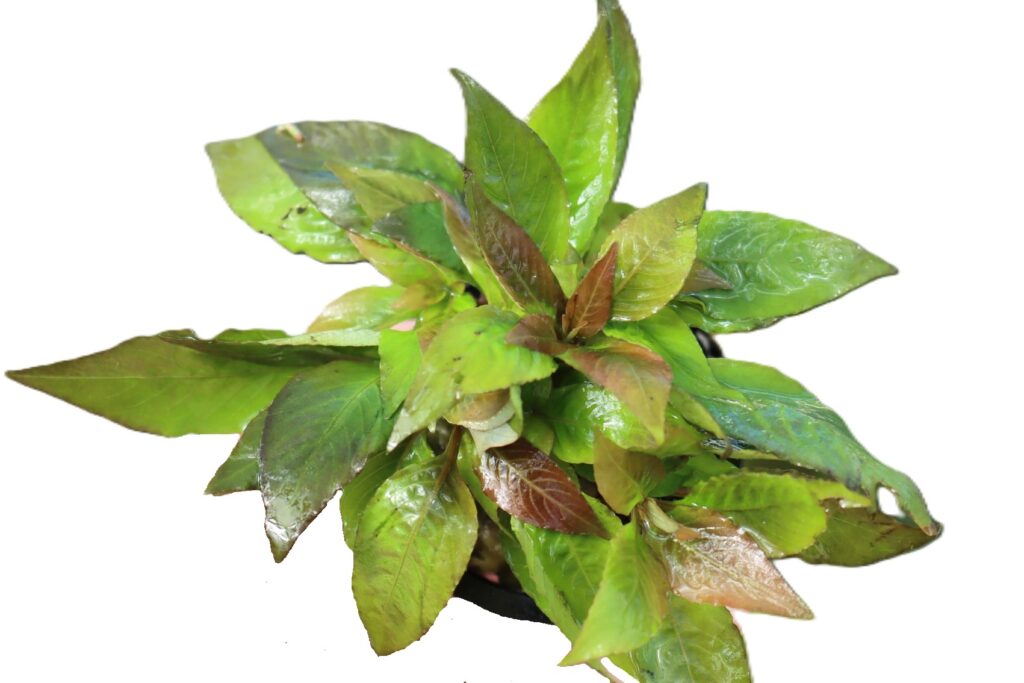
Hygrophila corymbosa ‘Compact’ is a compact cultivar of Hygrophila corymbosa, characterized by very short internodes that create a dense leaf arrangement. The leaves are bright green, with the undersides sometimes appearing slightly silvery after adapting to aquarium conditions. Under strong lighting, new leaves may develop a subtle reddish-brown tint, while under low light, older leaves may yellow and shed naturally.
The plant produces numerous lateral shoots, reinforcing its compact and bushy appearance. Growth is primarily vertical, with limited horizontal branching near the base. Under optimal conditions, it typically reaches a height of 10–15 cm within 2–3 months.
With its broad leaves and bright green coloration, Hygrophila corymbosa ‘Compact’ provides strong visual contrast against fine-textured or differently colored plants. It is most effective when planted in groups, creating an aesthetic foreground or midground accent, particularly in natural or tropical-style aquascapes.
This variety is a cultivated selection derived from Hygrophila corymbosa and is associated with Southeast Asia. As a cultivar, there is no specific natural habitat record.
In aquascape layouts, it functions as a foreground plant in larger aquariums or a midground plant in smaller setups. It enhances visual density without significantly blocking light to plants behind it, helping to create a layered and natural-looking vegetation structure.
Requirements and Care
Growth Characteristics
Hygrophila corymbosa ‘Compact’ grows at a slow to moderate rate, forming dense vertical clusters with tightly packed lateral shoots. Its response to lighting is reflected in internode length and leaf coloration. Low light reduces lateral growth and increases spacing between leaves, while medium to high light enhances compactness. The plant is adaptable to CO₂ injection, but optimal growth is achieved with moderate CO₂ supplementation.
Lighting
Lighting falls within the medium to high category (±70–120 µmol m⁻² s⁻¹ PAR). Under low light (<70 µmol m⁻² s⁻¹), growth becomes slower, new leaves appear pale, internodes elongate, and compactness is reduced. Under medium to high light (70–120 µmol m⁻² s⁻¹), the plant develops dense foliage, bright green coloration, and optimal lateral shoot formation. Under very high light (>120 µmol m⁻² s⁻¹), new leaves may show a reddish tint, growth accelerates, and the risk of algae increases if nutrients are not balanced.
CO₂ and Carbon
This plant is adaptable to low-tech systems without CO₂, although growth will be slower. In high-tech systems with moderate CO₂ injection (20–30 mg/L), lateral growth improves, leaves become thicker, and coloration remains more stable.
Nutrients
A balanced supply of macronutrients (N, P, K) and micronutrients (Fe, Mn, Mg) is essential to maintain healthy, compact growth. Deficiencies, particularly in iron or nitrogen, may result in pale or yellowing leaves. The plant responds well to consistent fertilization, whether through nutrient-rich substrates or liquid dosing.
Water Parameters
Optimal conditions include a pH of 6.0–7.5, temperature between 22–28°C, GH 3–10 dGH, and KH 1–6 dKH. Stability is more important than absolute values, as extreme fluctuations can trigger leaf drop and reduce compact growth.
Substrate
The plant can grow in a variety of substrates, including gravel, sand, or nutrient-rich media. A nutrient-rich substrate enhances lateral growth and overall compactness. The root system anchors well in fine-grain substrates or media supplemented with root nutrients.
Propagation
Propagation is primarily done through top cuttings or by separating lateral shoots. A reliable method is to plant at least two nodes into the substrate, ensuring that new roots can establish before trimming the main plant further.
Conclusion
Hygrophila corymbosa ‘Compact’ is a compact, visually appealing, and adaptable aquascape plant suitable for both low-tech and high-tech systems. Its bright green leaves and dense lateral growth make it an excellent foreground or midground accent. Optimal performance is achieved under medium to high lighting with moderate CO₂ and stable nutrient and water parameters. It is suitable for both beginners and experienced aquascapers looking to create dense, layered vegetation with strong visual impact.