Daftar Isi Show
| Characteristics | Detail |
|---|---|
| Genus | Hygrophila |
| Species | Hygrophila serpyllum |
| Family | Acanthaceae |
| Origin | Asia |
| Common Name | Hygrophila serpyllum |
| Light Requirement | Medium (±50–90 µmol m⁻² s⁻¹ / PAR) |
| Optimal Temperature | 22–28 °C |
| Growth Rate | Slow–moderate |
| Placement | Foreground – Midground |
| Plant Height | 3–5+ cm (can grow taller) |
| Ideal pH | 6.0–7.2 |
| Water Hardness | GH 3–10 dGH, KH 1–6 dKH |
| CO₂ Requirement | Medium |
| Propagation | Clump separation / lateral stem cutting |
Additional Information
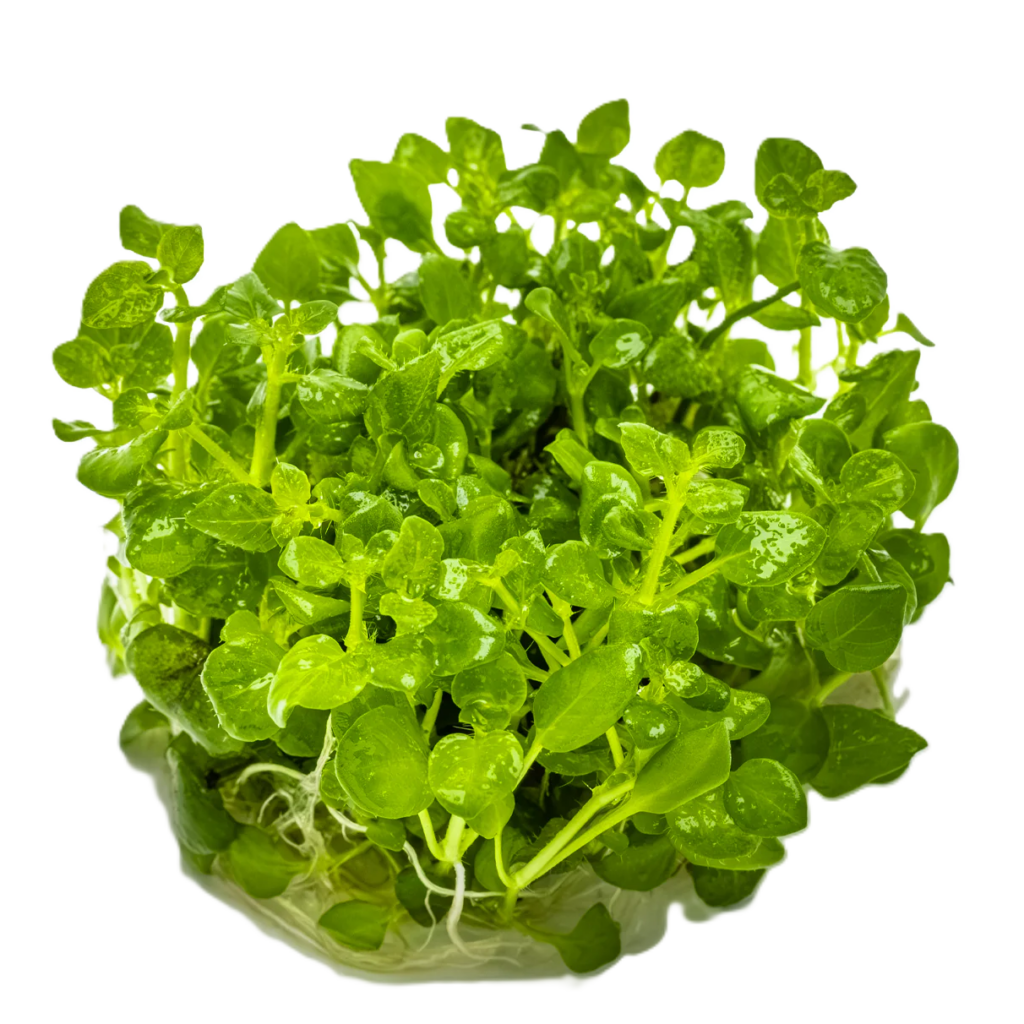
Hygrophila serpyllum is a miniature aquascape plant characterized by low and compact growth. Its leaves are small, bright green, and densely arranged along short stems, forming a tight and finely textured vegetative structure. This morphology creates a soft and natural visual impression, especially when planted in groups.
In aquascape layouts, this plant functions as a foreground to midground transition element. Its growth pattern, which stays close to the substrate, allows it to form a low carpet-like effect, although biologically it is not a true stolon-forming plant like Eleocharis or Glossostigma. The consistent leaf density helps fill empty spaces between hardscape elements and smooths visual transitions between layout zones.
Its natural habitat consists of shallow waters with low flow in tropical Asian regions, which explains its adaptation to relatively stable water conditions and moderate lighting.
Requirements and Care
Growth Characteristics
The growth of Hygrophila serpyllum tends to be horizontal and low, forming dense clumps. The main stem remains short with tight lateral branching, resulting in a compact structure. Under optimal lighting conditions, internodes stay short and the plant maintains its low profile.
If light intensity decreases or carbon supply becomes limited, the stems may elongate vertically, causing the structure to become looser and lose its carpet-like character.
Lighting
Light category: medium
PAR range: ±50–90 µmol m⁻² s⁻¹
At the lower end of light intensity, the plant can survive but will exhibit slower growth and less dense structure. Within a stable medium range, leaves grow more compactly, the green coloration becomes brighter, and the plant maintains a low form. Increasing light intensity beyond this range does not always improve plant form but may increase the need for tighter nutrient and CO₂ control.
CO₂ and Carbon
CO₂ requirement: medium
This plant can adapt to systems without CO₂ injection, but optimal performance is achieved with a stable carbon supply. Adequate CO₂ improves leaf density, accelerates lateral shoot formation, and helps maintain a compact shape. In high-tech systems, growth becomes more consistent and easier to manage through trimming.
Nutrients
Nutrient demand is moderate. A balance of macronutrients (nitrogen, phosphorus, potassium) and micronutrients is required to maintain stable leaf coloration and prevent growth inhibition. Nutrient deficiency is typically indicated by slowed growth and fading leaf color, while excess nutrients without balanced lighting may trigger algae issues.
Water Parameters
This plant grows optimally at pH 6.0–7.2 with hardness levels of GH 3–10 dGH and KH 1–6 dKH. The ideal temperature ranges from 22–28 °C. Stability of parameters is crucial, as significant fluctuations can disrupt new shoot formation and overall plant consistency.
Substrate
A fine to medium-textured substrate supports the development of the fibrous root system of Hygrophila serpyllum. The use of active substrate helps provide initial nutrients and improves growth stability. In inert substrates, the plant can still develop as long as nutrients are available in the water column. Due to its small size, maintaining stability during initial planting is important to prevent detachment.
Propagation
Propagation is carried out through clump separation or cutting portions of stems that have developed small roots. Healthy fragments can be replanted directly into the substrate to expand the planted area. This method is effective for maintaining density and accelerating the formation of new vegetative coverage.
Conclusion
Hygrophila serpyllum is a compact aquascape plant that is highly effective for foreground to midground use. Its low and dense growth habit provides fine texture and helps create natural transitions within layouts. With medium light and moderate CO₂ requirements, it can adapt to low-tech systems while achieving optimal performance in high-tech setups. Functionally, this species offers a combination of growth stability and consistent aesthetic value over the long term.